

In architecture, innovation is not always about discovering new materials, but about reinterpreting traditional ones through a contemporary lens. Alabaster is a clear example of this approach. Used for centuries in architecture, art, and heritage, it is now re-emerging as a highly relevant material, capable of addressing the challenges of contemporary and future architecture.
Far from being a nostalgic choice, the use of alabaster in architecture responds to key principles such as sustainability, timelessness, and spatial quality, all of which are increasingly central to modern design.
A material with architectural heritage
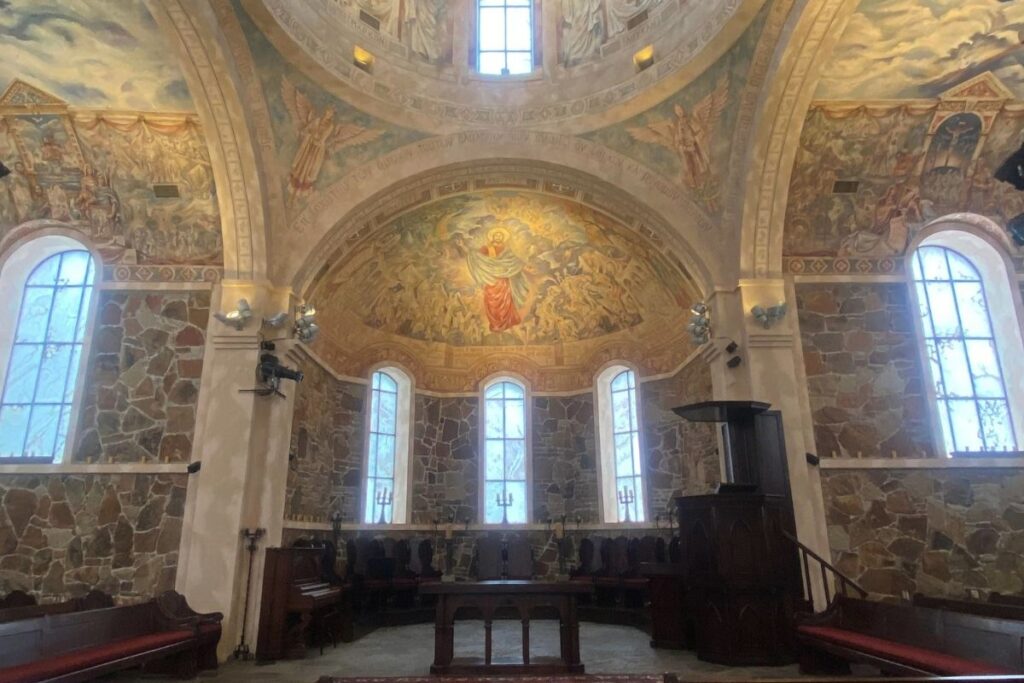
Alabaster has been present in architecture for centuries. Its relationship with light, its natural character, and its durability have made it a valued material in religious, civic, and artistic contexts.
This historical depth does not limit its application. On the contrary, it adds cultural value. In an era where architecture seeks meaning beyond form, alabaster introduces a narrative dimension that enhances the identity of spaces.
Why alabaster matters in contemporary architecture
Today’s architecture faces a number of key challenges:
- Reducing environmental impact
- Creating more human-centered spaces
- Designing buildings that age well
- Prioritizing user experience over visual impact
Alabaster responds naturally to these demands, without relying on complex or artificial solutions.
Light as a core architectural element
One of the defining aspects of future architecture is the control of light, both from an energy and sensory perspective. Alabaster allows architects to work with light as a building material, filtering and modulating it in a passive way.
In a context where energy efficiency and visual comfort are essential, this capability becomes highly valuable. Alabaster does not emit light, but transforms it, reducing glare and creating soft, balanced atmospheres.
Sustainability through durability
Unlike short lifecycle materials, alabaster represents a sustainable approach based on longevity and material authenticity. As a natural stone:
- It requires fewer industrial processes than many synthetic materials
- It ages without losing value
- It is not subject to trends or technical obsolescence
The future of architecture will not only be efficient, but also responsible in the long term. In this context, alabaster stands out as a coherent and enduring material.
Technology and tradition in balance
The contemporary use of alabaster is not opposed to technology. Instead, it relies on it to optimize its performance in architectural applications:
- Advanced backlighting systems
- High-precision cutting techniques
- Integration into complex construction systems
- Technical control during installation
This combination allows a millennia-old material to be seamlessly integrated into contemporary architectural language.
The role of technical expertise
Successfully working with alabaster in architecture requires specialized knowledge. It is not just about selecting a material, but about understanding its behavior, variability, and integration within the project.
Specialized companies such as Arastone Alabaster provide expertise, material control from quarry to installation, and technical support throughout the process, ensuring high-quality and consistent results.
The future of architecture starts with materials
The architecture of the future will be more conscious, with a stronger focus on materials, light, and the passage of time. Alabaster, with its history, its interaction with light, and its durability, demonstrates that looking forward also means reinterpreting the past.
In this balance between tradition and innovation, alabaster continues to establish itself as a key material in the architecture of the future.